Key takeaways
- Backlinks are authority signals: they tell search engines and AI systems your brand is credible enough to surface and cite.
- Quality beats quantity, a few links from trusted, relevant, editorial sites outweigh many weak ones.
- White-hat, earned links compound safely; black-hat shortcuts risk penalties.
- Link building is one of the three pillars of organic search, alongside content and technical foundations.
Link building is the process of earning hyperlinks from other websites to your own. These links act as authority signals, they tell search engines and AI systems that your brand is credible, trusted, and worth surfacing.
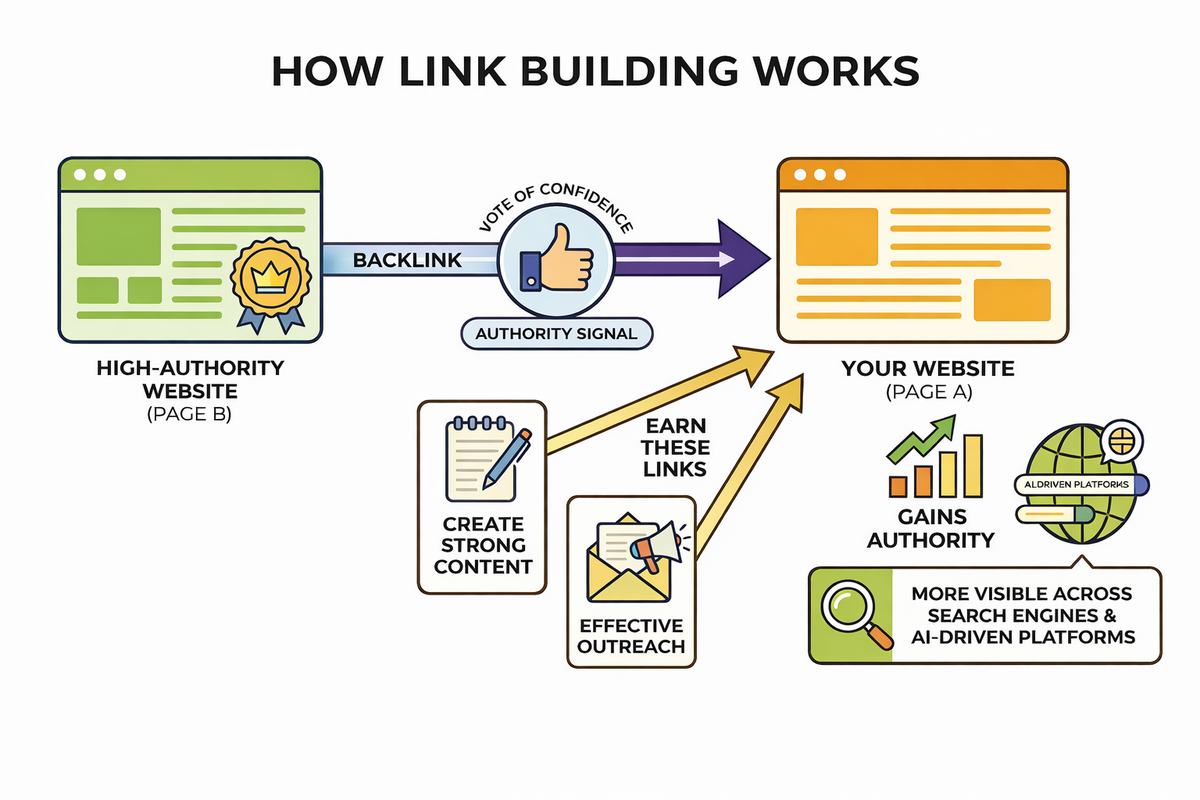
The image below shows how it works. A high-authority website (Page B) links to your website (Page A), passing an authority signal. That backlink acts like a vote of confidence. Create strong content, do effective outreach, and you earn these links, your site gains authority and becomes more visible across search engines and AI-driven platforms.
Types of link building
Digital PR for high-authority mentions
Getting your brand featured in well-known publications and websites. When respected sites talk about you and link to your content, it boosts your credibility and helps you appear more often in both Google and AI-powered results.
Local link building for location-specific visibility
Local links come from nearby businesses, community groups, and local news outlets. They help search engines understand where you operate and make it easier for local customers to find you.
Foundational authority building
The first backlinks created when launching or rebranding a site, they help search engines recognise your business as real and trustworthy. They usually come from business directories, social profiles, and relevant forums like Reddit or Quora, mostly pointing to the homepage under your brand name.
Broken link building
Find outdated or broken links on other websites and offer your content as a replacement. A simple value exchange: you help fix their page, and you gain a quality link in return.
Skyscraper link building
Take popular content in your industry, build a stronger and more useful version, and share it with the sites linking to the original, positioning your brand as the smarter, more up-to-date choice.
What is a quality backlink, and how does it help SEO & GEO?
A quality backlink is a link from a trusted, relevant, and authoritative website pointing to your own. It acts as a public endorsement, signalling to search engines and AI systems that your brand is credible and worth recommending.
In SEO, quality backlinks help you rank higher because they strengthen your site’s authority. In GEO, they shape how often your brand is mentioned, recognised, and included in generative results. That makes link building a core part of modern authority building.
editorial.link surveyed 500+ SEO professionals across Europe, the UK, and the US: 73.2% believe backlinks affect the chance of appearing in AI search results like ChatGPT, most noting that high-quality links improve both a site’s authority and its organic ranking.
A single link from a site people already trust does more than a hundred from sites nobody checks. Authority compounds; cheap links just add noise.
 Will TombsFounder, Buried
White hat vs black hat backlinks
White hat backlinks are earned naturally through valuable content, genuine relationships, and legitimate outreach. They follow search engine guidelines and build long-term authority and trust.
Black hat backlinks come from manipulative tactics: buying links, spam networks, automated placements. The shortcuts may produce quick gains, but they risk penalties, lost visibility, and long-term damage.
For modern SEO and GEO, white hat link building is the only sustainable approach: it strengthens your authority for the long term.
How they compare
| Aspect | White hat | Black hat |
|---|---|---|
| How they're earned | Earned when people link to genuinely useful content | Created with tricks like buying links or spammy sites |
| Rules | Follow search engine rules | Break search engine rules |
| Effect on trust | Builds strong trust and authority over time | May give a quick boost, but often harms trust later |
| Risk level | Low risk, safe for long-term growth | High risk: can lead to penalties or removal |
| Best used for | Long-term SEO and a trusted brand | Short-term tricks (not recommended) |
Internal vs external linking
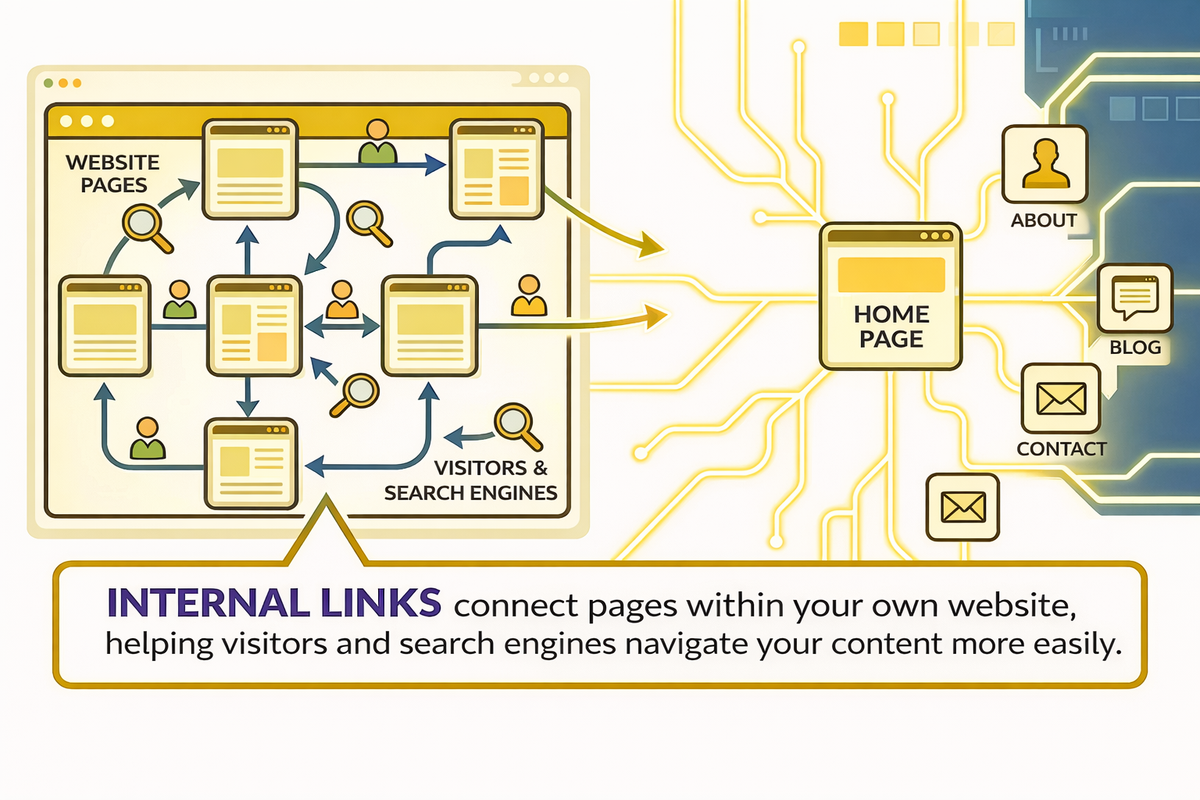
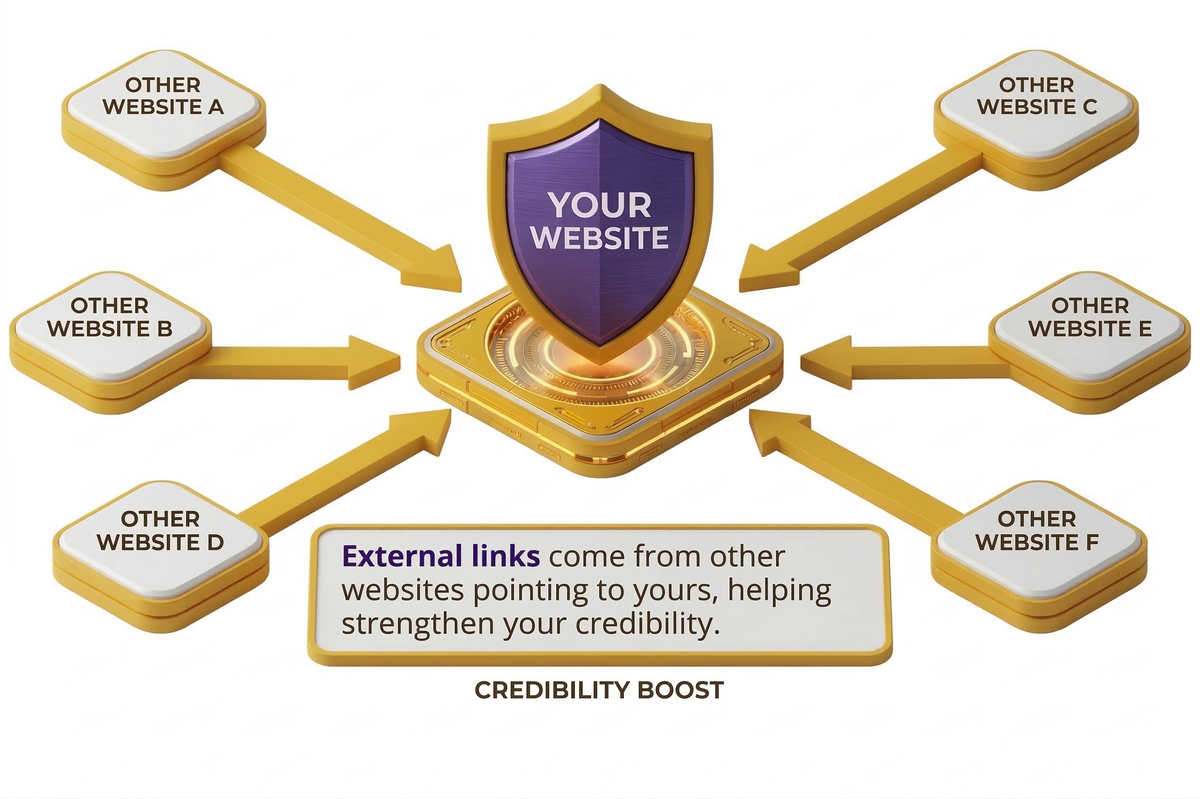
Internal links connect pages within your own website, helping visitors and search engines navigate your content. External links come from other websites pointing to yours, strengthening your credibility.
Both support your link-building strategy, but they play different roles. Internal links guide users and search engines through your content, letting important pages gain authority. External links act as endorsements from other sites that build your brand’s overall authority. Together, they create a connected structure that’s essential to organic ranking.
How important is link building in organic search?
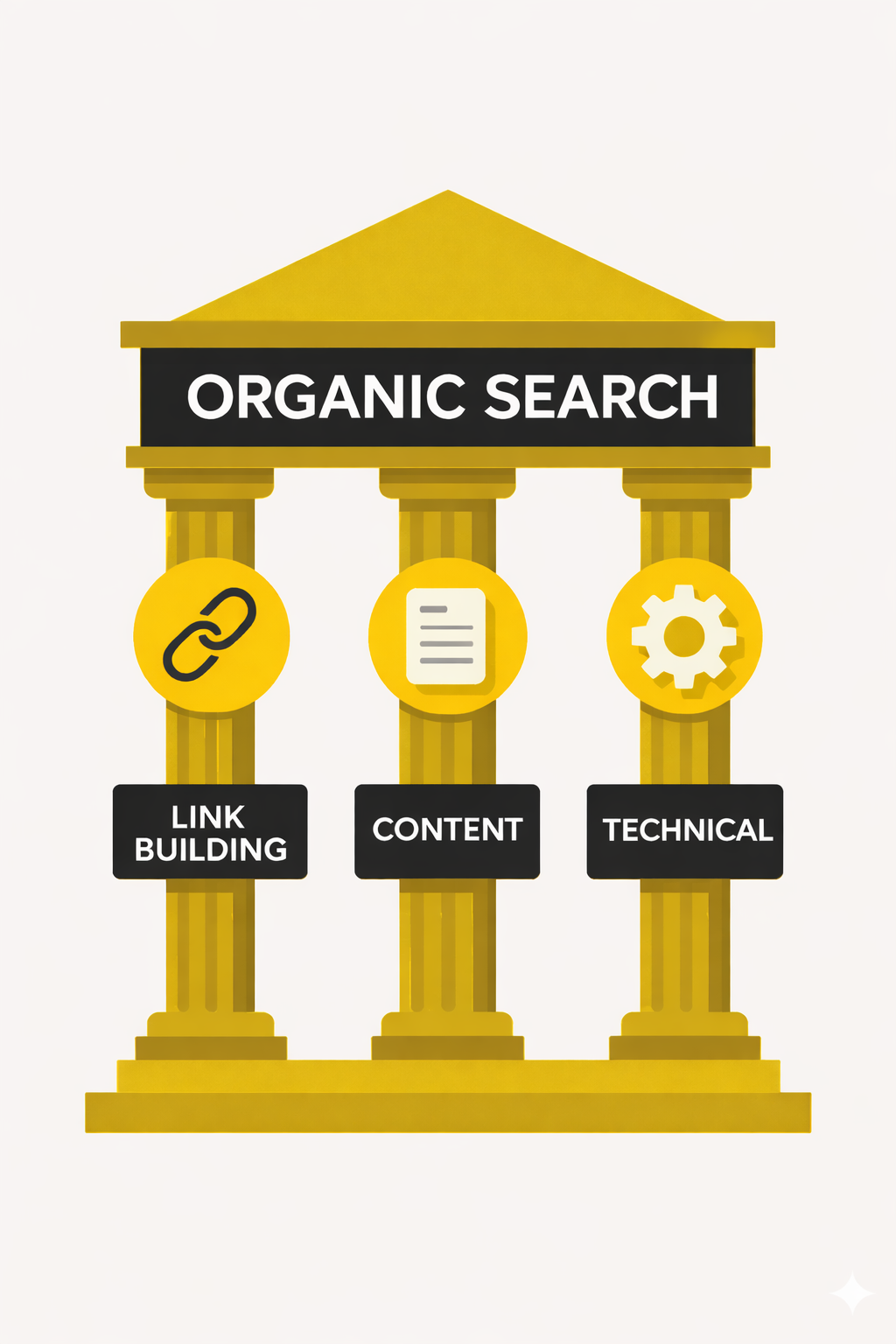
Link building is one of the three core pillars of organic search, alongside strong content and solid technical foundations. Search engines rely on backlinks as signals of authority, trust, and relevance. When reputable sites link to you, they vouch for your expertise, helping your pages rank higher and stay competitive.
Without meaningful backlinks, even great content struggles to reach its full organic potential.
In SEO
Link building remains one of the strongest ranking factors: it validates your content in the eyes of search engines. As competition grows, brands with stronger authority profiles outperform those relying on content alone.
In GEO
Authority determines whether your brand is surfaced, cited, or ignored. Backlinks from authoritative publications increase your chances of being included in the training data that LLMs like ChatGPT draw on for answers.
How to perform link building: 7 steps
1. Identify high-quality, relevant sites
e.g. 75% ABVFind trustworthy websites in your industry that your audience already relies on.
2. Create linkable assets worth sharing
e.g. 75% ABVProduce useful guides, data, and case studies that other sites genuinely want to reference.
3. Build a targeted outreach list
Identify the right editors, journalists, and site owners to contact.
4. Craft personalised outreach emails
Send short, tailored messages that explain why your content adds value.
5. Secure links from trusted publications
Aim for mentions on respected sites to build strong authority signals.
6. Monitor backlinks and track coverage
Regularly check which links you gain or lose.
7. Maintain consistency and momentum
Link building works best with steady, ongoing effort.
Work with Buried
Get started with link building today
Link building is no longer optional. It’s essential for standing out in both traditional SEO and the fast-growing world of GEO. Ready to strengthen your authority and visibility? The team at Buried can help.
Book a callAbout the author
Will Tombs
Founder, Buried
Award-winning growth marketing specialist and SEO/GEO expert with 12+ years in the industry, leading digital strategy for acquired startups, enterprise retailers, and his own ecommerce businesses.
From the blog
Related reading
GEO vs SEO: what's the difference, and what should you do about it?
Where the two disciplines overlap, where they split, and how to run both.
Will Tombs · Mar 2025Read →How important is organic search in your digital strategy?
Why organic still brings the traffic that converts, and how to invest in it.
Will Tombs · Jan 2025Read →The role of digital PR in generative engine optimisation
How earned coverage builds the authority that gets your brand cited by AI.
Will Tombs · Feb 2025Read →